Search & AI
Beyond Google: Measuring AI Search Grounding via Bing
Why Bing is the core retrieval backbone for AI search engines, and how its AI Performance Report turns generative discovery into measurable telemetry.

If ChatGPT can’t cite you, you don’t exist for that buyer.
When a founder asks ChatGPT Search, Copilot, or a coding agent a technical question, the model doesn’t answer from memory alone. It runs live retrieval over a web index to ground its answer in a cited page.
For much of that ecosystem, Bing is the index under the hood — including the grounding layer for ChatGPT Search.
If your workflow stops at Google Search Console, you’re invisible in the AI discovery pipeline.
The AI Retrieval Architecture
AI ANSWER = LLM + LIVE RETRIEVAL (BING)
- 01
Prompt
User prompt “supabase vs self-hosted cost”
- 02
Expander
Query expander LLM rewrites → 2–3 Bing queries
- 03
Bing
Bing index OAI-SearchBot · Bingbot · chunks + citations
- 04
Cited
Cited answer synthesized + anchors to your URL
Make extraction reliable — clean HTML wins citations
Clean h1–h4 · typed tables · JSON-LD (BlogPosting, TechArticle, Breadcrumb) · no fluff
Machine surfaces: llms.txt · RSS · Link headers · OpenAPI · sitemap — we ship all of them
Measure — Bing AI Performance Report
Cited Pages
which URLs became source truth
Grounding Queries
real problem language searchers use
Citation Frequency
did the refresh help or dilute?
If a comparison table is repeatedly cited for a grounding query, its structure, clarity, and density are working.
Example
/reframehub/supabase-vs-self-hosted-postgres
cited +34% after July 2026 refresh
Traditional search engines index pages to present snippets and drive navigational clicks. Generative search engines use web indices as grounding context:
- User Prompt: A user asks a specific product or architectural question.
- Sub-query Generation: The model breaks down the prompt into one or more live search queries.
- Index Retrieval: The engine queries a live web index (predominantly Bing or dedicated crawlers like
OAI-SearchBot) to fetch the most relevant text blocks. - Synthesis & Citation: The model synthesizes the answer, attaching citation anchors to the specific URLs that provided evidence.
[User Prompt] ──▶ [LLM Query Expander] ──▶ [Bing Index / Retrieval API]
                                                      │
[Cited Answer] ◀── [Context Synthesis]  ◀── [Grounding Context Chunks]
When you understand that Bing’s index feeds both Microsoft Copilot and the grounding layer for OpenAI’s search workflows, optimizing for Bing stops being an afterthought. It becomes primary infrastructure for AI visibility.
The AI discovery checklist — 3 steps to be cited
Three moves that make your docs and product pages retrievable by generative engines — so the answer includes you:
1. Bing Webmaster Tools & Ownership
Claim domain ownership in Bing Webmaster Tools (via DNS TXT record or XML verification). Unlike Google Search Console, Bing gives immediate visibility into both standard crawler activity and AI-specific grounding signals.
2. Push updates with IndexNow — so they appear in seconds, not days
Instead of waiting for crawlers to find your sitemap, IndexNow lets your deploy pipeline push a lightweight POST the moment you publish:
# Push updated routes directly to IndexNow
curl -X POST "https://api.indexnow.org/indexnow" \
  -H "Content-Type: application/json; charset=utf-8" \
  -d '{
    "host": "emiote.com",
    "key": "your-indexnow-key",
    "keyLocation": "https://emiote.com/your-indexnow-key.txt",
    "urlList": [
      "https://emiote.com/journal/beyond-google-measuring-ai-search-grounding-via-bing",
      "https://emiote.com/products/ankik"
    ]
  }'
Participating engines (Bing, Yandex, Seznam, Naver) receive the update in seconds rather than days.
3. Explicit Bot Allow-listing in robots.txt
Many generic robots.txt templates inadvertently block newer AI crawlers or restrict non-Google bots. Ensure your configuration explicitly permits both general indexing bots and AI retrieval agents:
# Explicit AI retrieval and search crawler permissions
User-agent: Bingbot
Allow: /

User-agent: OAI-SearchBot
Allow: /

User-agent: GPTBot
Allow: /

User-agent: ChatGPT-User
Allow: /

User-agent: PerplexityBot
Allow: /

User-agent: ClaudeBot
Allow: /

Sitemap: https://emiote.com/sitemap-index.xml
OAI-SearchBot is specifically used by OpenAI to find fresh search results for users, distinct from general training crawlers.
Measuring Grounding: The AI Performance Report
The critical advantage of Bing Webmaster Tools today is the AI Performance Report.
Historically, Answer Engine Optimization (AEO) and Generative Engine Optimization (GEO) suffered from an evaluation problem: teams resorted to manually prompting ChatGPT or Claude to see if their product was mentioned—a noisy, non-deterministic heuristic.
Bing’s AI Performance Report replaces guesswork with server-side telemetry:
| Metric | What it reveals | Engineering implication |
|---|---|---|
| Cited Pages | Exact URLs selected as source truth in AI answers | Identifies which docs or articles carry high semantic authority |
| Grounding Queries | The underlying search queries triggering citations | Reveals real problem-framing language used by searchers |
| Citation Frequency | Temporal shifts in how often your pages are referenced | Measures whether documentation updates improved or diluted retrieval |
┌─────────────────────────────────────────────────────────────┐
│ Bing AI Performance Telemetry                               │
├─────────────────────────────────────────────────────────────┤
│ Cited URL: /reframehub/supabase-vs-self-hosted-postgres     │
│ Grounding Query: "self hosted postgres vs supabase cost"   │
│ Citation Activity: +34% following July 2026 data refresh    │
└─────────────────────────────────────────────────────────────┘
When you see that a specific comparison table or architectural breakdown is repeatedly cited for a grounding query, you know that the content’s structure, semantic clarity, and factual density are working.
What This Means for Product Builders
Optimizing for retrieval grounding requires the same discipline as good software engineering:
- Structure over fluff: Clean HTML headings (
h1-h4), typed tables, and explicit schema markup (BlogPosting,SoftwareApplication,BreadcrumbList) make extraction reliable for LLM parsers. - Machine-readable artifacts: Exposing
llms.txt, RFC 8288 link headers, and OpenAPI schemas turns your entire site into an open knowledge surface for agents. - Continuous telemetry: Using Bing Webmaster Tools alongside Google Search Console ensures you monitor both traditional navigational rank and generative citation health.
Research note: Aggarwal et al., GEO: Generative Engine Optimization (KDD 2024, tested across Perplexity.ai) ranked 9 optimization methods — cite sources +40%, add statistics +37% visibility. See arXiv:2311.09735.
FAQ — AI search grounding via Bing
Why does Bing matter for AI search visibility?
Much of ChatGPT Search and Copilot’s retrieval grounds in Bing’s index and the OAI-SearchBot crawl. If you only optimize for Google Search Console, you’re invisible in that grounding pipeline.
How do I check if AI engines cite my site? In Bing Webmaster Tools → AI Performance Report check Cited Pages, Grounding Queries, and Citation Frequency. It replaces manually prompting ChatGPT with server-side telemetry.
What is IndexNow and why use it? IndexNow is a push protocol — your deploy pipeline POSTs updated URLs so Bing, Yandex, and others re-index in seconds instead of days. Use it for every publish.
Closing — what to do next
Search is now an agentic retrieval layer. Optimizing only for Google is optimizing for yesterday’s web.
We ship our own products with this rigor from day one. For where AI actually earns retention, read AI features that earn retention.
Ready to be cited? Audit Your AI Visibility — we check Bing, robots, and extractability so agents can cite you. Or explore how we weigh self-hosted vs managed on ReframeHub.
OUR WORK
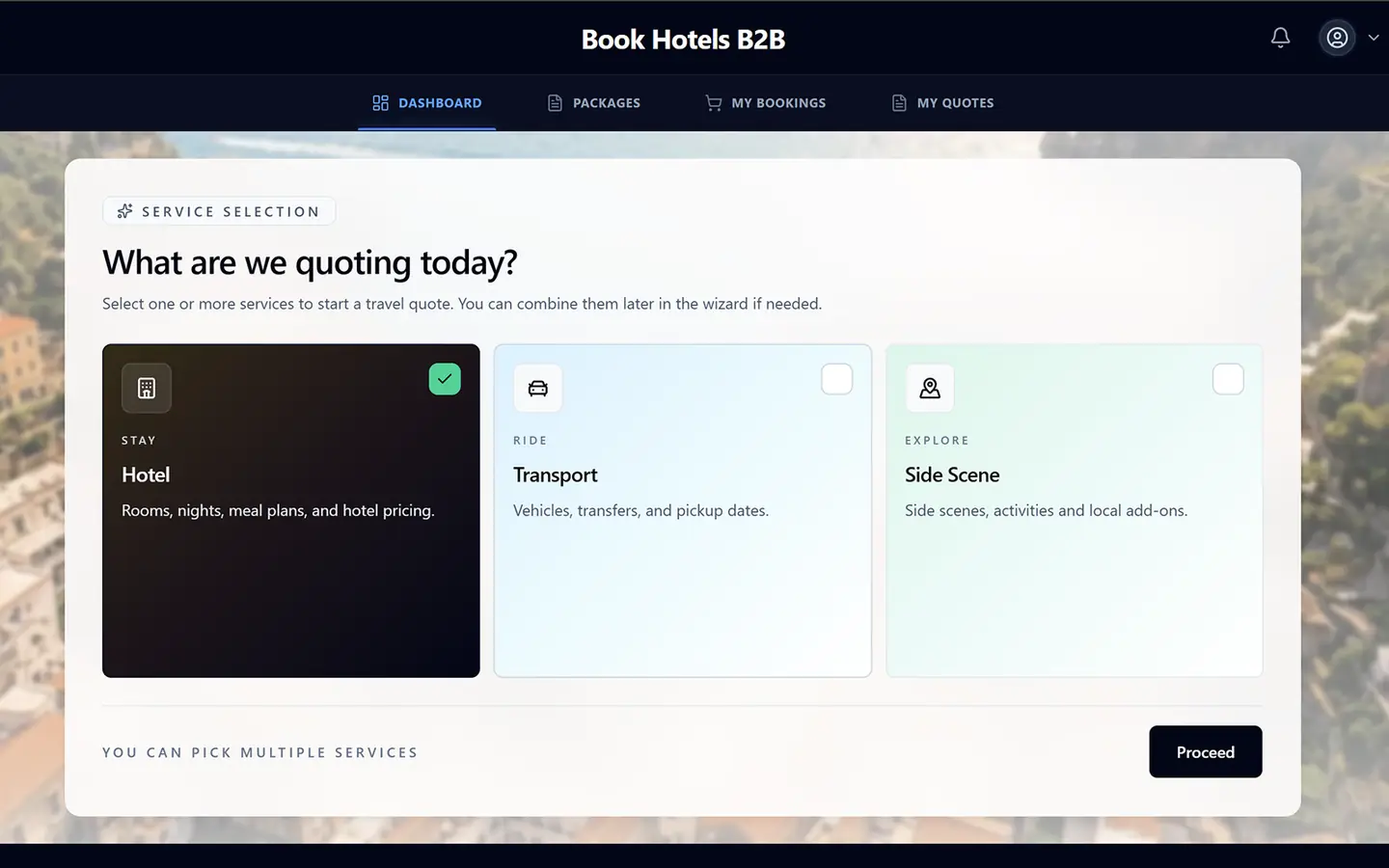
Book-Hotels-B2B
2026B2B travel agency platform with quote-to-invoice automation.
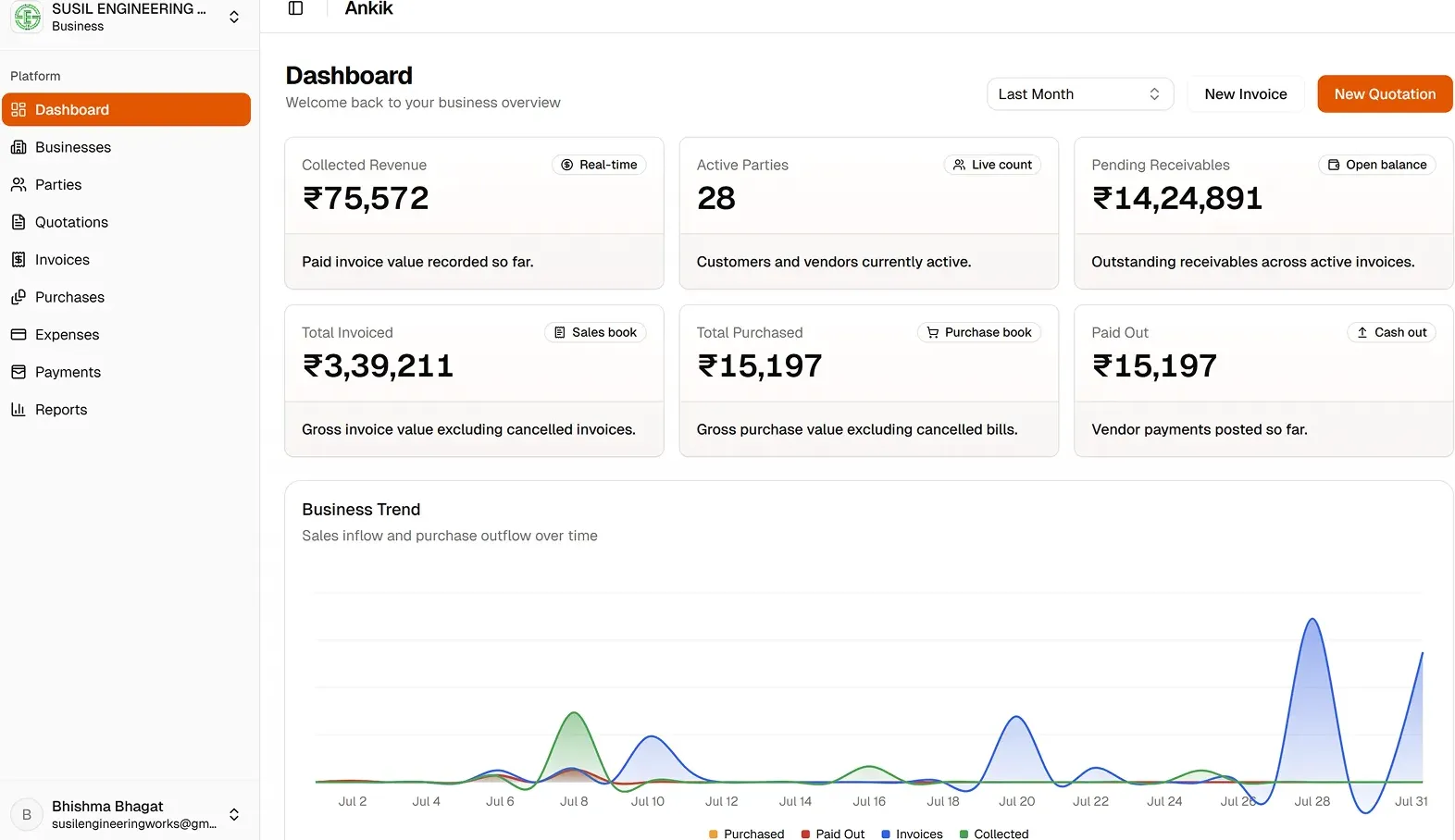
Ankik
2026Desktop-first accounting workspace for SMEs, 0 to launch.
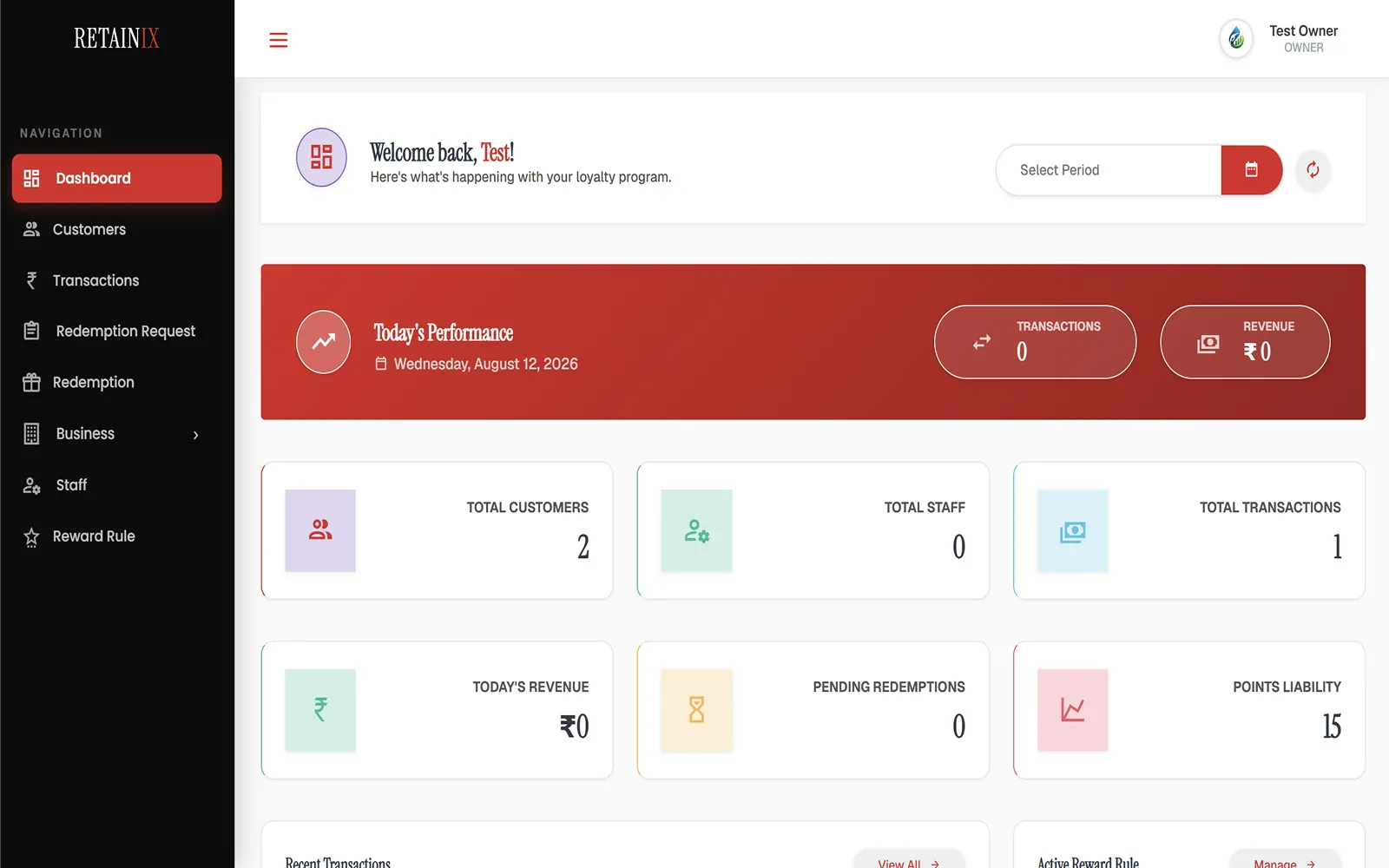
Retainix
2025Multi-branch loyalty & cashback platform for petrol pumps & retail.
BOOK A CALL
Ready to turn your idea into a live product?
Schedule a 15-minute scoping call with Dhanji below. We'll discuss your scope, timeline, and tech strategy honestly.