Studio
Products teach better than pitches
Why building our own products is the strongest training ground for client engineering—and what that means for how we partner.

Agencies pitch. Studios ship. The difference shows up the first time a client asks how we would handle a hard product decision—not just a coding task.
Building software of our own forces us through the full loop: problem discovery, aggressive scope pruning, trade-offs under constraints, customer support, and the quiet work of long-term maintenance. That loop is our curriculum. Client work is where we apply it.
Dogfooding creates standards
When we build products like Ankik (desktop-first accounting workspace with strict double-entry ledgers) or architect multi-location systems like Retainix (multi-branch loyalty and cashback), we experience the true cost of software decisions:
Every awkward default, missing empty state, or overly clever architecture choice doesn’t just annoy a client—it directly hits our own product velocity.
These scars become the engineering standards we bring into every partner engagement. Ownership is not a marketing line. It is a feedback loop with consequences.
What ownership teaches that slides cannot
A deck can claim “product-minded engineering.” A product you maintain will disagree with you in public:
- Ship day is not done day. The first real user will press paths you never demoed. Support load is a design signal, not an afterthought.
- Clever code has a bill. Abstractions that impressed in a review slow the next change when the domain shifts.
- Defaults are product decisions. Empty states, error copy, and “what happens when this fails” decide whether people trust the tool.
When we partner with founders, we are not guessing about those costs. We have paid them on software we still run.
A scar from real books
Ankik started because books lived across notebooks, spreadsheets, and chat threads. The first instinct in software is always the same: model the full business on day one—every report, every role, every edge case the owner can name in a single conversation.
That path fails quietly. You ship a dense system nobody finishes onboarding, and the notebook stays open next to the app.
What we learned—and now insist on with client MVPs—was narrower:
- One trusted number first. Opening balance, a clean ledger entry path, and a view that answers “where do we stand?” before multi-entity dashboards.
- Money is not a float. Domain types that refuse sloppy precision (cents as integers, explicit status) beat “we’ll fix currency later.”
- The owner’s language wins. Screens named after how they talk about the work beat screens named after how the database stores rows.
// Exact money and explicit status—not “number and vibes”
export interface AccountLedger {
  readonly id: string;
  readonly partyId: string;
  readonly balanceInCents: bigint;
  readonly status: "reconciled" | "pending" | "disputed";
}
That interface is not clever. It is a boundary that keeps the product honest. Client work benefits when the same discipline shows up early: typed edges, clear states, fewer silent lies in the data.
Retainix taught a parallel lesson for multi-branch operations: loyalty rules that look simple on a whiteboard fracture at the counter. Branch context, cashback timing, and “what if this ticket is refunded?” are product decisions. Shipping a points total without those paths is not an MVP—it is a demo that will be trusted until the first dispute.
Why we operate on two equal pillars
TWO PILLARS — ONE FEEDBACK LOOP
In-house products
Ankik · public betas · studio tools
We live with every awkward default and missing empty state.
Scars become standards: boring designs, failure paths early, fewer silent lies in data.
Product partner work
MVP · modernization · AI where it earns
Founders hire product judgment, not hours.
We bring the same bar — if a build would embarrass our own stack, we say so before the sprint.
sets bar
Products set the bar for partner work.
funds
Partner work funds products.
Pitches expire. Products keep scoring your decisions after the call ends.
Ownership is not a marketing line. It is a feedback loop with consequences — product judgment is what founders actually hire for.
We balance work across two core areas:
- In-house products — Software we design, own, and maintain in public.
- Product partner work — Building MVPs, modernizing systems in place, integrating AI where it earns its keep, and embedding with teams.
We do not treat internal products as side projects or brochure props. Ownership is the fastest path to genuine product judgment—and product judgment is what founders actually hire for.
The two pillars reinforce each other:
| From products — what it taught us | Into client work — what you gain |
|---|---|
| Maintenance pressure | Boring, changeable designs — so a second customer doesn’t force a rebuild |
| Real support threads | Failure paths designed early — so users know what is safe to retry |
| Scope regret | Cut features, raise quality on what remains — so the test is valid |
| Domain messiness | Workflows over feature lists — so software matches how work actually happens |
Client work funds time to improve products. Products raise the bar on what we will accept in a partner engagement. If a proposed build would embarrass us on our own stack, we say so before the sprint starts.
What this means when you work with us
You should expect conversation that sounds more like a product team than a vendor checklist:
- We argue for less surface area when more would dilute the hypothesis you need to test.
- We write down trade-offs so “we’ll clean that up later” has an owner and a date, not a shrug.
- We optimize for the job the user is finishing, not for how impressive the architecture diagram looks in a weekly update.
We will still move fast. Speed comes from deciding what not to build, and from craft on the path that remains—not from skipping empty states, tests, or deploy discipline.
If you want a partner who has only shipped for other people, plenty of teams do that well. If you want a partner who also lives with the long tail of their own products, that is the studio model on purpose.
Closing
Pitches expire. Products keep scoring your decisions after the call ends. We build both because the second one keeps the first one honest.
Ready to shape an MVP or strengthen a product already in market? Work With a Studio That Ships Its Own Products — or read how we define minimum viable without minimum care.
OUR WORK
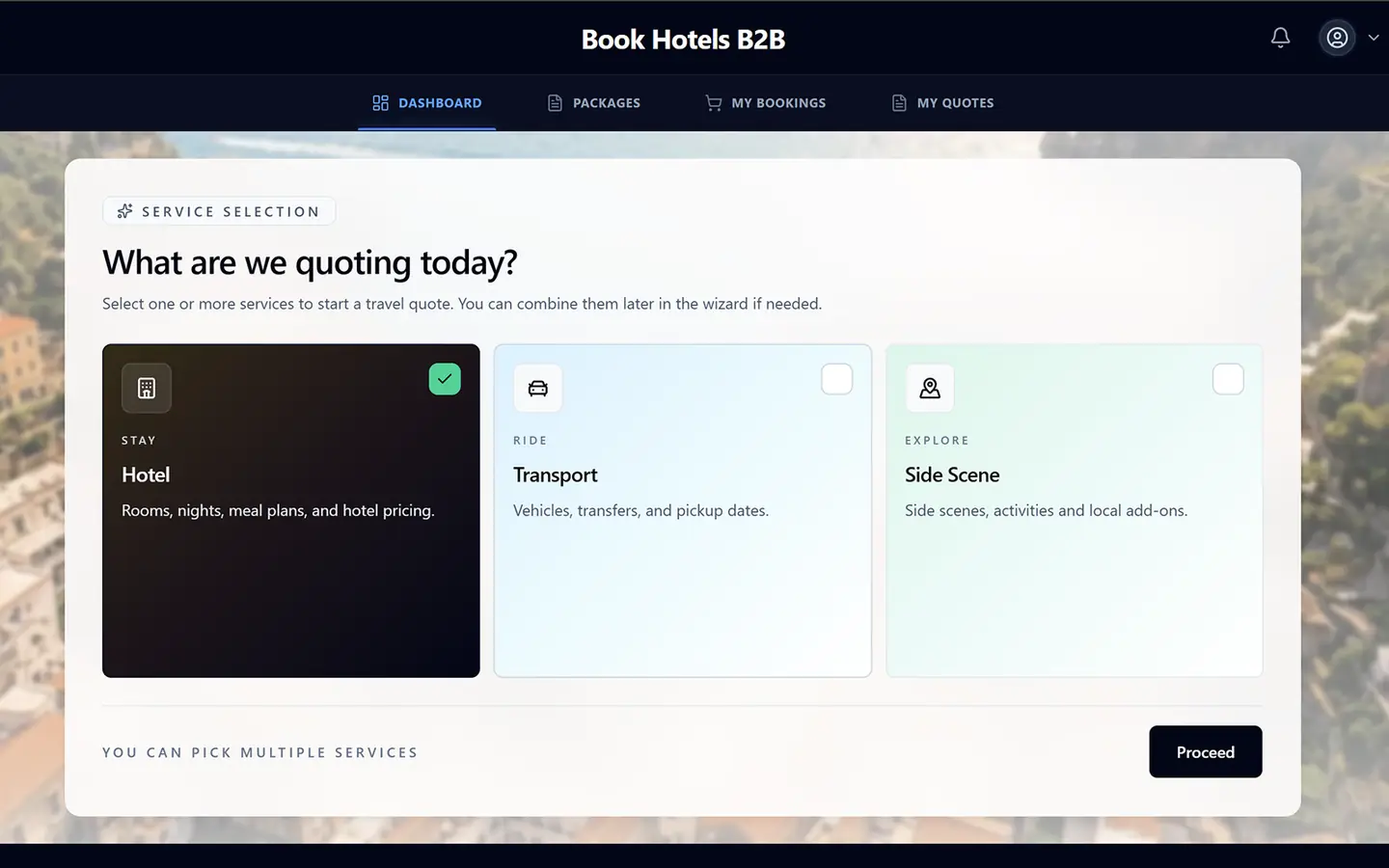
Book-Hotels-B2B
2026B2B travel agency platform with quote-to-invoice automation.
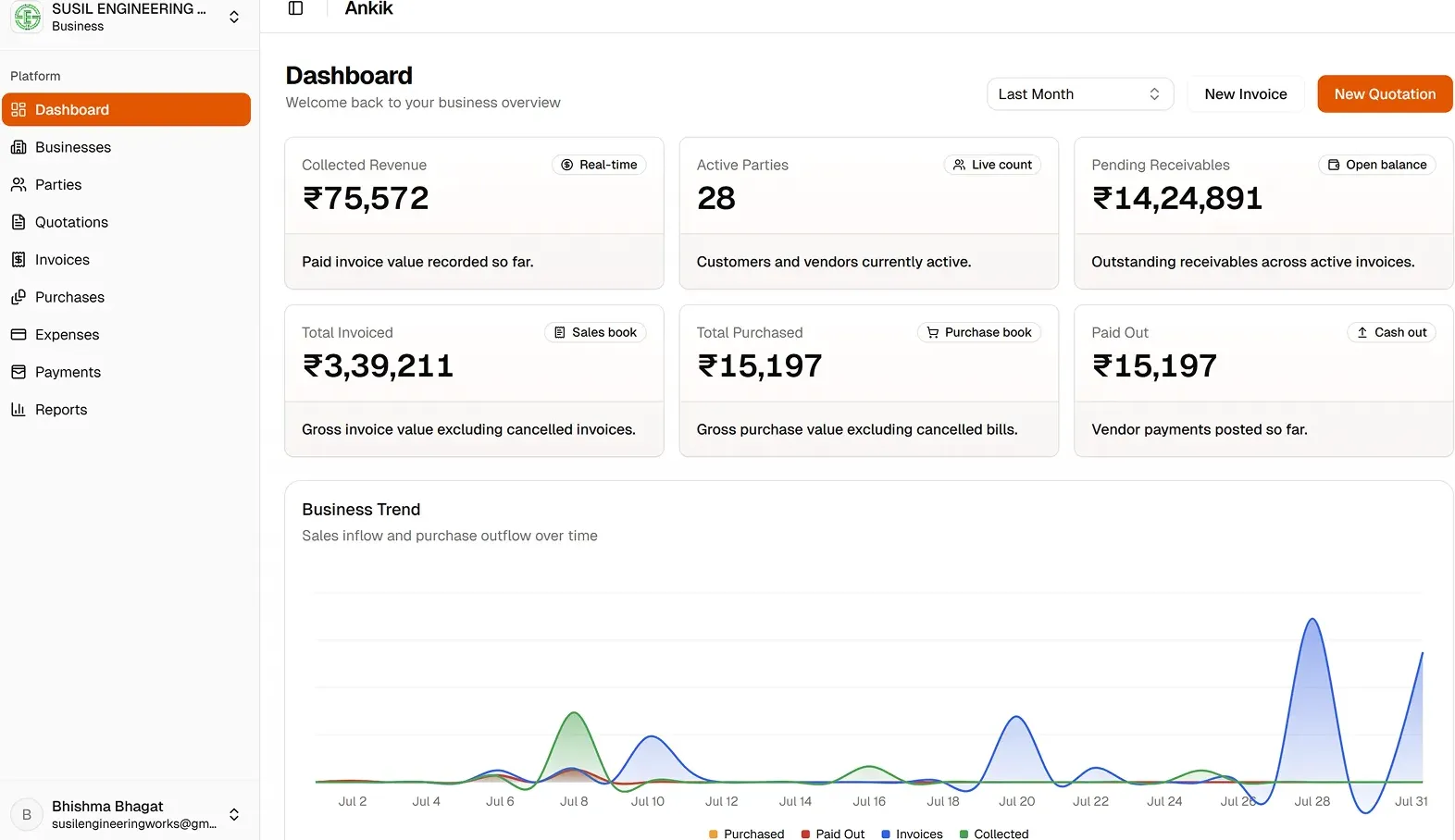
Ankik
2026Desktop-first accounting workspace for SMEs, 0 to launch.
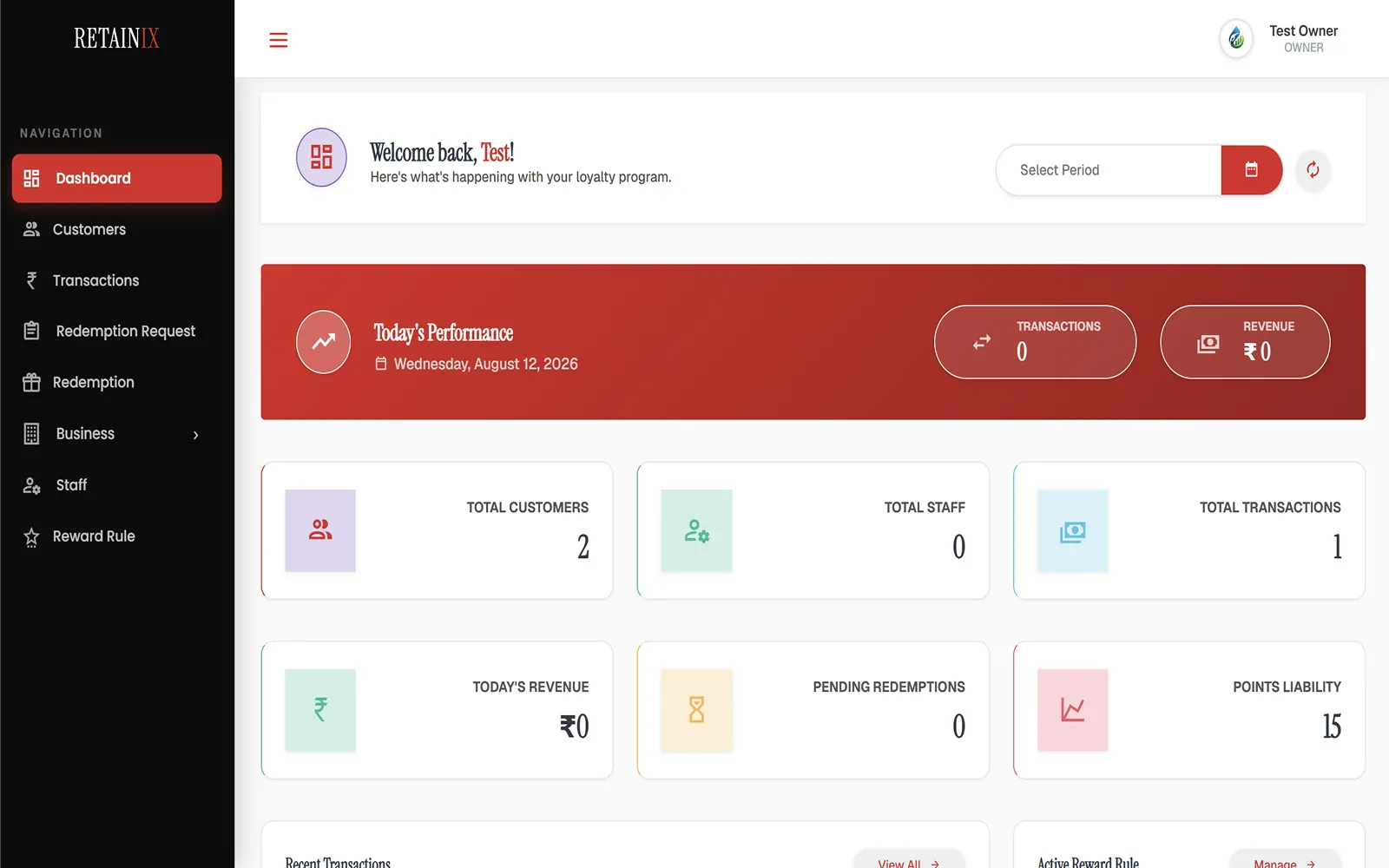
Retainix
2025Multi-branch loyalty & cashback platform for petrol pumps & retail.
BOOK A CALL
Ready to turn your idea into a live product?
Schedule a 15-minute scoping call with Dhanji below. We'll discuss your scope, timeline, and tech strategy honestly.